
transparent mirror price
Understanding Pressure Gauge Thread Types Pressure gauges are critical instruments used across various industries to measure the pressure of gases and liquids. They provide essential data needed for monitoring and controlling processes in industries such as oil and gas, manufacturing, and food processing. One of the often overlooked aspects of pressure gauges is the thread type used for connections. The thread type is vital because it ensures a secure and leak-proof connection to the piping systems. In this article, we will explore the different types of pressure gauge thread types, their applications, and why they matter. Common Pressure Gauge Thread Types 1. NPT (National Pipe Tapered) NPT is perhaps the most commonly used thread type for pressure gauges in North America. This tapered thread helps create a tight seal, which is crucial to prevent leaks. The thread design allows for self-tightening as it is screwed together, making it a reliable choice for various applications. However, careful attention must be paid to the thread engagement to ensure an optimal seal. 2. BSP (British Standard Pipe) BSP threads are prevalent in countries using the metric system. They come in two varieties – BSPP (parallel) and BSPT (tapered). BSPP threads do not tighten into a seal but require the use of O-rings or other sealing mechanisms, while BSPT threads tighten to create a seal like NPT threads. Understanding the distinction between these two can help prevent connection issues in systems that require a specific sealing method. 3. Metric Threads In many regions and industries, metric threads are more commonly used for pressure measurement applications. These threads have a straight profile without tapering and often use sealing methods such as O-rings or flat gaskets for leak prevention. They are typically specified in millimeters and are favored for their precision. 4. UNF (Unified Fine Thread) UNF threads are used in some specific applications, particularly in the aerospace and automotive industries. They are finer than standard NPT threads, providing improved vibration resistance. UNF threads require proper torqueing to ensure a secure fit. 5. NPSM (National Pipe Straight Mechanical) NPSM pipes are straight threads that do not taper, similar to BSPP threads. Because they do not provide a seal by themselves, they typically require a washer or O-ring for effective sealing . NPSM connections are often used in applications requiring disassembly and reassembly because they are less prone to deterioration from vibration when compared to tapered threads. pressure gauge thread types Importance of Correct Thread Type Selection Choosing the correct thread type is critical for the safety, reliability, and efficiency of pressure measurement systems. Incorrect thread selection can lead to leaks, which can result in catastrophic failures, environmental hazards, and increased costs associated with downtime or repairs. Additionally, different thread types have unique properties regarding pressure ratings, temperature tolerances, and chemical resistance. This variability means that engineers and technicians must thoroughly understand the operating conditions of their systems when selecting the proper gauge and thread type. Installation and Maintenance Considerations When installing pressure gauges, it is essential to ensure proper torque specifications according to the manufacturer’s guidelines. Over-tightening can lead to damage or deformation of threads, while under-tightening can result in leaks. It’s also beneficial to use thread sealants or compounds as indicated for each type, particularly for tapered threads, to enhance sealing performance. Regular inspections and maintenance should be conducted to check for leaks and wear, particularly in high-pressure applications. Understanding the specific requirements and best practices associated with each thread type will significantly contribute to the long-term functionality and safety of pressure measurement devices. Conclusion In summary, understanding pressure gauge thread types is fundamental for anyone involved in the selection, installation, or maintenance of pressure measurement systems. By becoming familiar with NPT, BSP, metric, UNF, and NPSM threads, professionals can ensure the efficiency and integrity of their pressure measurement devices, ultimately leading to safer and more efficient operations across various industries. Proper selection, installation, and maintenance practices will diminish risks associated with leaks and ensure reliable performance in critical applications.
about
transparent mirror price
Understanding Metal Ring Gauges A Key Tool in Precision Measurement In the realm of engineering and manufacturing, precision measurement is paramount. Among the myriad of tools available for this purpose, the metal ring gauge stands out as an essential instrument. This article delves into the definition, types, uses, and advantages of metal ring gauges, highlighting their significance in various industries. What is a Metal Ring Gauge? A metal ring gauge is a precision measuring tool used to assess the external dimensions of cylindrical objects. Comprised of a circular metal ring, it is designed to fit over the object being measured. The gauge is typically calibrated to specific dimensions, making it possible to determine whether a part meets required tolerances. The simplicity of its design belies its crucial role in ensuring the accuracy and functionality of components across multiple sectors. Types of Metal Ring Gauges Metal ring gauges come in various types, each tailored to specific measurement needs 1. Go/No-Go Gauges These are the most common types of ring gauges. The Go gauge checks whether the part is within the specified tolerance, while the No-Go gauge ensures it does not exceed the maximum limit. This binary approach allows for a quick and effective means of quality control. 2. Adjustable Gauges These gauges allow for recalibration, enabling them to be used for a range of sizes. They are often employed in settings where parts vary in dimensions, thus enhancing efficiency without compromising accuracy. 3. Thread Ring Gauges Specifically designed to measure threaded components, thread ring gauges ensure that the threads on a screw or bolt meet industry standards. This type is crucial in construction, automotive, and machinery sectors where threaded parts are ubiquitous. Uses of Metal Ring Gauges The applications of metal ring gauges are extensive. They are used in metal ring gauge - Manufacturing In factories, ring gauges are employed to verify the dimensions of manufactured parts, ensuring that they fit together as intended. This is especially important in automotive and aerospace industries, where precision can be a matter of safety. - Quality Control Quality assurance teams utilize ring gauges to perform routine checks on product specifications, thereby maintaining the integrity of the manufacturing process. - Maintenance Engineers often use ring gauges during maintenance work to check the wear and tear on components, ensuring that machinery operates smoothly and efficiently. Advantages of Metal Ring Gauges Metal ring gauges offer numerous advantages that make them a preferred choice in precision measurement 1. Durability Made from high-grade metals, these gauges are built to withstand wear and tear, making them a long-lasting investment for businesses. 2. Accuracy Ring gauges provide a high level of accuracy, crucial for achieving tight tolerances in engineering and manufacturing processes. 3. Ease of Use Their simple design allows operators to use them effectively without the need for complex training, thereby increasing efficiency on the shop floor. 4. Cost-Effectiveness While there may be an initial investment, the accuracy and reliability of metal ring gauges can lead to significant cost savings by reducing waste and the need for rework. Conclusion In conclusion, metal ring gauges play a vital role in the landscape of precision measurement. Their ability to ensure that parts meet stringent specifications is invaluable across industries that demand high standards of quality and reliability. As technology advances, the design and functionality of these gauges will continue to evolve, but their fundamental purpose will remain unchanged. For engineers and manufacturers committed to excellence, investing in high-quality metal ring gauges is not just advisable; it is essential for success.
-

High quality industrial productsagement

High quality industrial products
View Details -

Meet the diverse needs of customers

Meet the diverse needs of customers
View Details -

Strict quality control

Strict quality control
View Details -

Top raw materials

Top raw materials
View Details -

Trusted supplier

Trusted supplier
View Details
Our application

news and information

Why the Right Angle Ruler Reigns in Metalworking
In the high-stakes world of metal fabrication, machining, and welding, precision isn't just desirabl
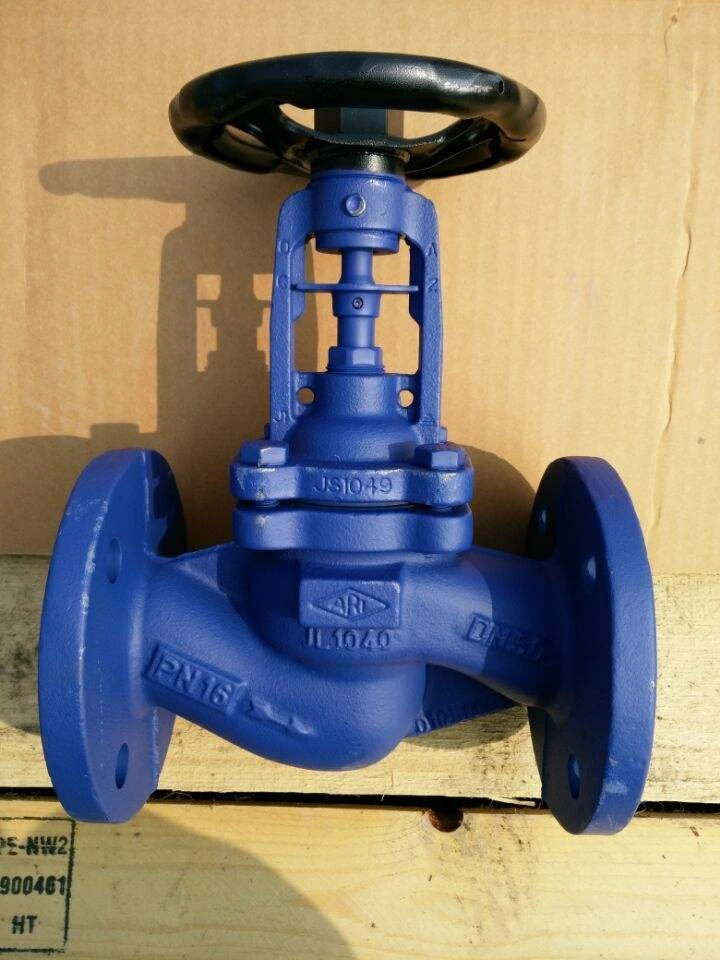
Van cửa cổng hình vuông và ứng dụng của nó trong công nghiệp
Cửa van chặn hình vuông Giải pháp hiệu quả cho ngành công nghiệp Cửa van chặn hình vuông là một tron

y strainer flange type
Understanding Y Strainer Flange Type An Essential Component in Fluid Systems In the realm of fluid m
 English